

 |
|
|
Beijing to Shanghai by 350 km/h (217 mph) high-speed train. Or save time & a hotel bill by sleeper train.
For other Chinese train routes & a beginner's guide to train travel in China, see the main China page... |

Beijing to Shanghai by train or flight?
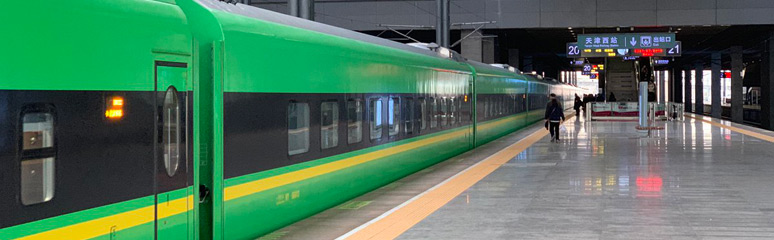
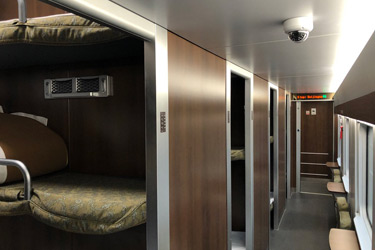
Between Beijing & Shanghai, the train is the way to go. Choose between the World's Fastest Passenger Train, a 350 km/h (217 mph) high-speed train taking as little as 4h18 or a time-effective 250 km/h (156 mph) express sleeper train which saves a hotel bill. Either way, it's a unique Chinese experience.
When you consider the time taken to get to & from remote airports, airport check-in & security plus the unreliability of domestic flights on the overcrowded Beijing-Shanghai corridor, the clean & punctual high-speed train is as quick as flying and much more fun. This page will show you what the trains are like, advise you on which class to travel in, and how to buy your ticket online or in person.
 Beijing to Shanghai southbound train times
Shanghai to Beijing northbound train times
What are the G-category high-speed
trains like?
What are the D-category
sleeper
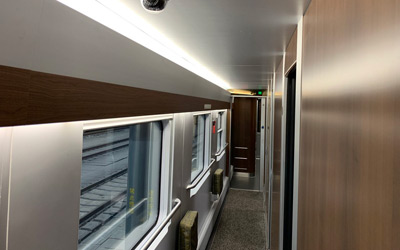
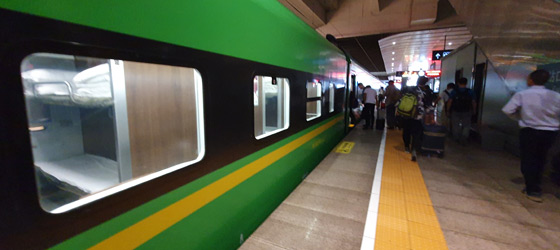
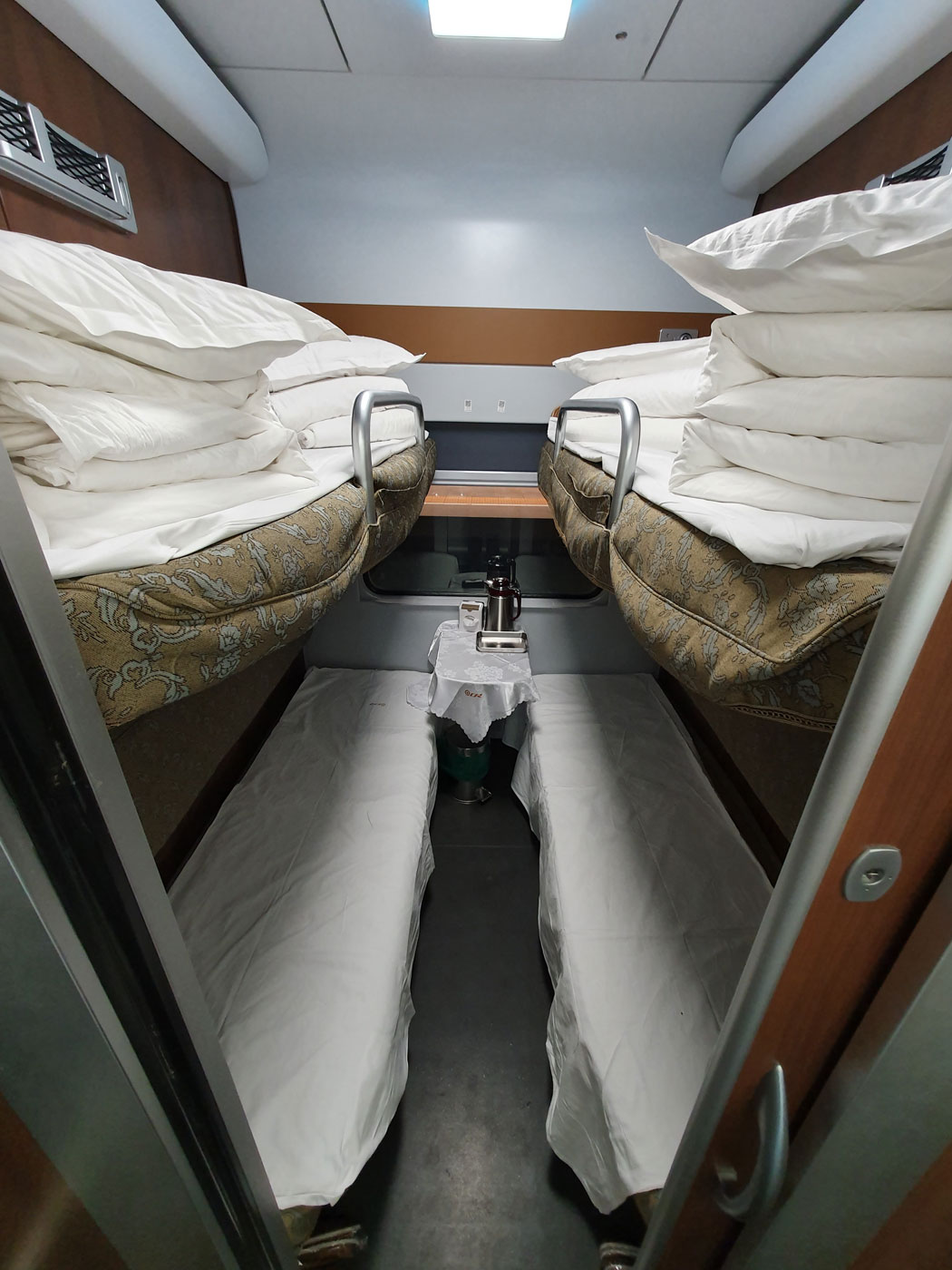
trains like?
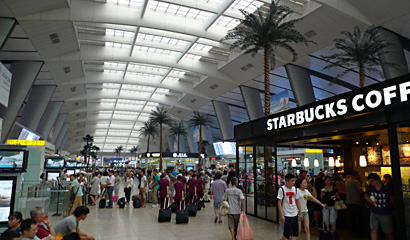
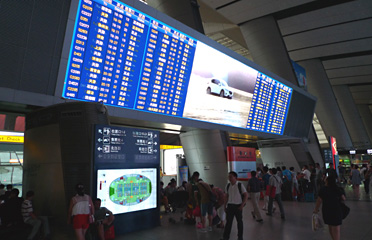
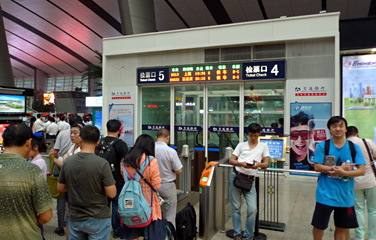
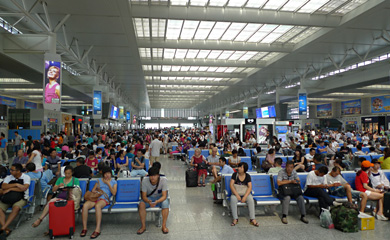
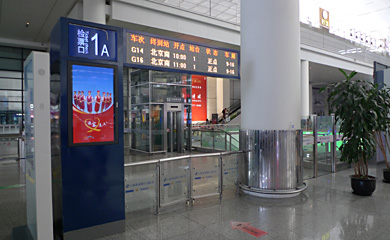
Quick guide to boarding at Beijing South
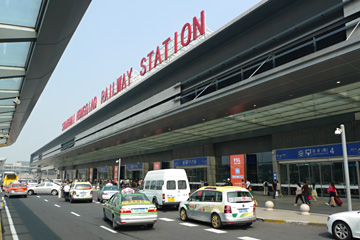
Quick guide to boarding at Shanghai Hongqiao
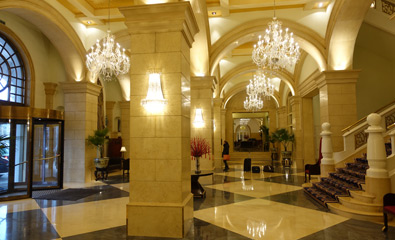
Suggested hotels in Beijing & Shanghai
Train times, southbound 2026
By sleeper train:
By sleeper train:
Notes for timetable
Shaded = recommended fastest high-speed trains taking less than 4h50.
All trains shown here run every day, check times for your date of travel as shown here. A few extra trains run on Fridays, Saturdays, Sundays.
G-category 300 km/h or 350 km/h high-speed trains have 2nd, 1st & Business class seats, see the photos & advice here & watch the video guide.
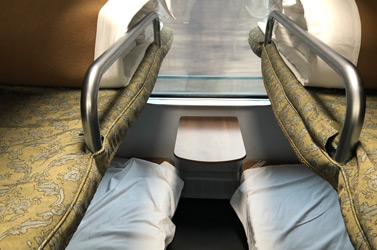
D-category 250 km/h express sleeper trains have soft sleepers & 2nd class seats, some may have hard sleepers, see photos & advice.
Z-category classic sleeper train Z281/Z282 has soft & hard sleepers, soft & hard seats, see info & advice.
T-category classic sleeper train T109/T110 has soft & hard sleepers and hard class seats, see info & advice.
Finding & boarding your train Luggage arrangements Hotels in Beijing Hotels in Shanghai
Beijing metro map. Shanghai metro map. Map of Beijing showing stations. Map of Shanghai showing stations
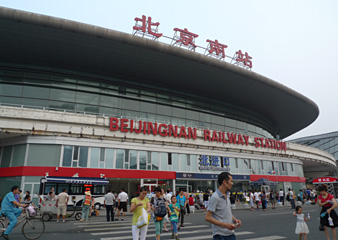
Which station in Beijing? Almost all Beijing-Shanghai trains now use Beijing South Station (Beijing Nan), 6km southwest of central Beijing. One or two trains still use Beijing's main station, normally written as plain Beijing, which is in the city centre so more convenient if the timings suit.
Which station in Shanghai? Most Beijing-Shanghai trains now use Shanghai's new Hongqiao station, 18 km from central Shanghai near the old airport. One or two trains still use Shanghai's main station (Shanghai Zhan) which is in the city centre and much more convenient.
Distances: Beijing South to Shanghai Hongqiao via the new high-speed line is 1,318 km (819 miles), a little shorter than the classic route, which is 1,454 km (909 miles) from Beijing railway Station to Shanghai station. The new high-speed line opened in 2011.
Route map: There's an excellent interactive map at cnrail.geogv.org/enus/route/CN~G0001 which you can search by station or train number. I've set up that link to show the route taken by Beijing-Shanghai high-speed train G1.
How much does it cost?
$1 = approx RMB 6.8. £1 = approx RMB 9.
Children: As of 1 January 2023, children under 6 travel free (just one per adult goes free), all other children under 14 travel for half fare. Those 14 & over pay full fare. Child discounts only apply to the 'base' part of a sleeper fare, so in sleepers it's closer to a 25% reduction on the total fare.
The sleeper fares shown here are for lower berths. Upper berths (and middle berths in hard sleeper) are a fraction cheaper.
How to buy tickets
Option 1, buy tickets at seat61.transport-ticket.com.
This is an English-language front-end to Chinese Railways' booking system, overseas credit cards no problem. You can use it in various currencies including GBP, Euro, USD, AUD or CNY. It's powered by Distribusion, that's who you're buying from.
You need to use specific stations to see all the trains, Beijing South to Shanghai Hongqiao, NOT Beijing to Shanghai.
Confirmation is instant. Travel is ticketless, you scan your passport at the automatic gates at the entrance to the platform, the system recognises your passport number, knows you have a reservation and lets you through, see more about finding & boarding your train.
Option 2, buy tickets at www.chinahighlights.com.
China Highlights are a reliable agency that I can recommend. They can book all classes, and offer basic seat selection on D & G category high-speed trains, allowing you to request aisle or window seats or two seats side-by-side.
Travel is ticketless, you scan your passport at the automatic gates at the entrance to the platform, the system recognises your passport number, knows you have a reservation and lets you through, see more about finding & boarding your train.
Option 3, buy tickets at www.trip.com
Another well-known and reliable online agency, travel is also ticketless.
For more details on how to buy Chinese train tickets, see the Train Travel in China page.
How to buy tickets at the station
It's fairly easy to buy tickets in person at the station even if you don't speak Chinese, see how to buy tickets at the station.
Trains in China are always busy and often leave fully-booked, but on the Beijing-Shanghai route there are many trains with thousands of seats, and it's usually possible to find a ticket of some sort even for travel tomorrow, even if not today - at least outside peak holiday times.
Availability displays at stations show which trains have seats left in which class on which of the next few days. Just be prepared to take a second choice of train or date or class.
What are the G-category trains like?
Most G-category services on the Beijing-Shanghai high-speed route are operated by CRH400 Fuxing trains, where CRH stands for China Rail High-Speed, 400 means a maximum design speed of 400 km/h, and Fuxing meaning revival.
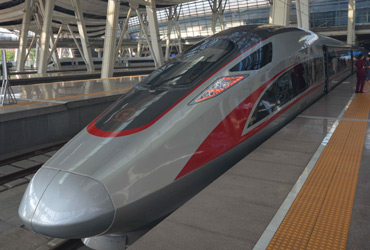
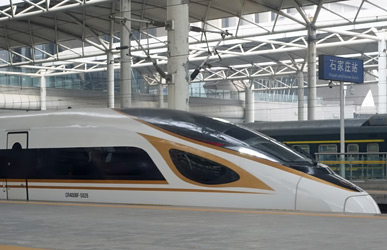
These are the world's fastest passenger trains, operating in service at up to 350 km/h (217 mph). There are several sub-types including the red & grey CR400A (pictured below left) or the white & gold CR400B (below right), but the interiors are similar. Each design comes in an 8-car & 16-car version, and offers 2nd class, 1st class & business class plus a small cafe counter selling Chinese tea, coffee, beer, snacks & microwaved hot dishes. Unlike the CRH380 Heixe trains there are no sit-down cafe tables, just the serving counter. See tips for travel by high-speed train about luggage, seat numbering, food, WiFi.
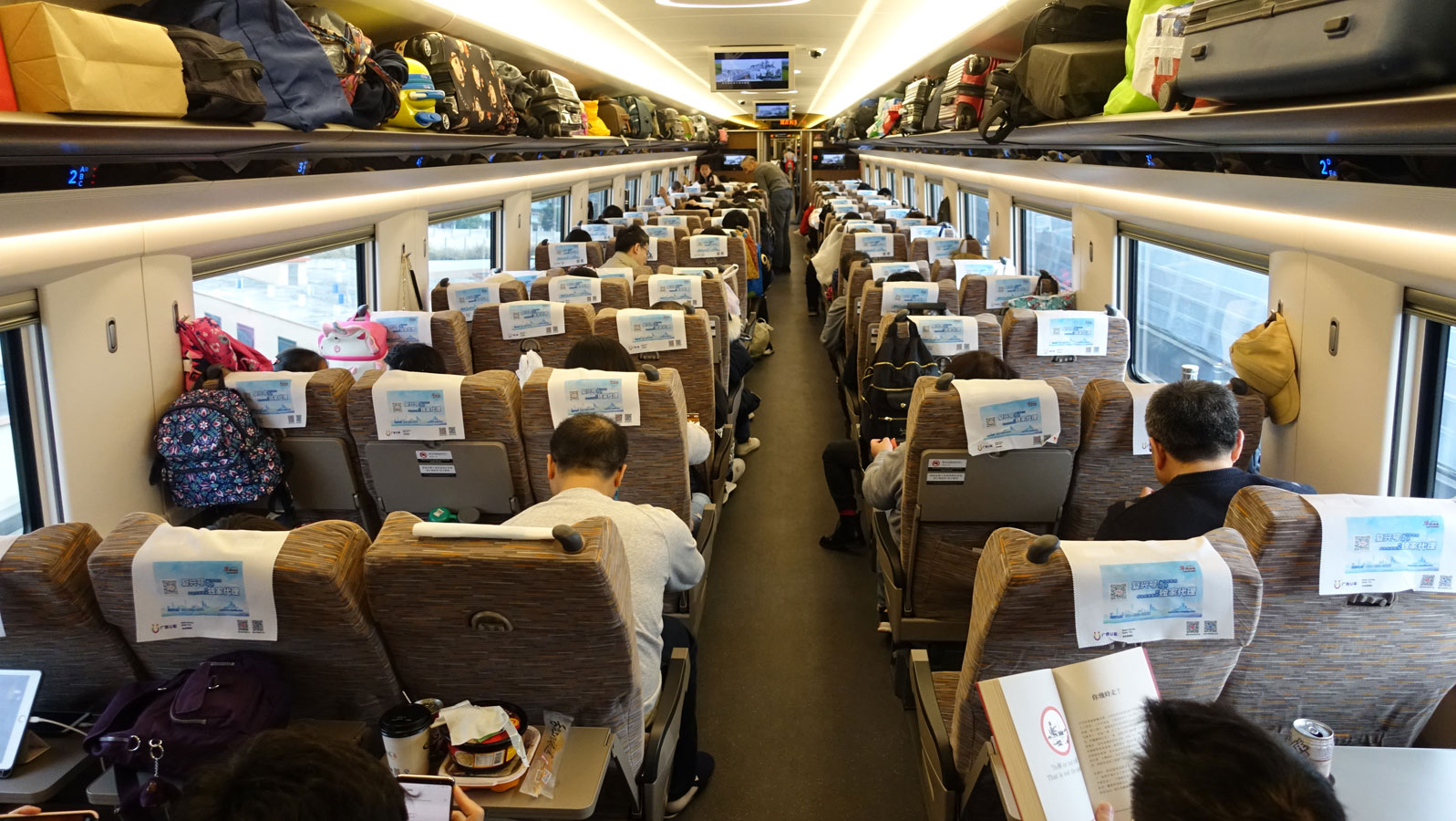
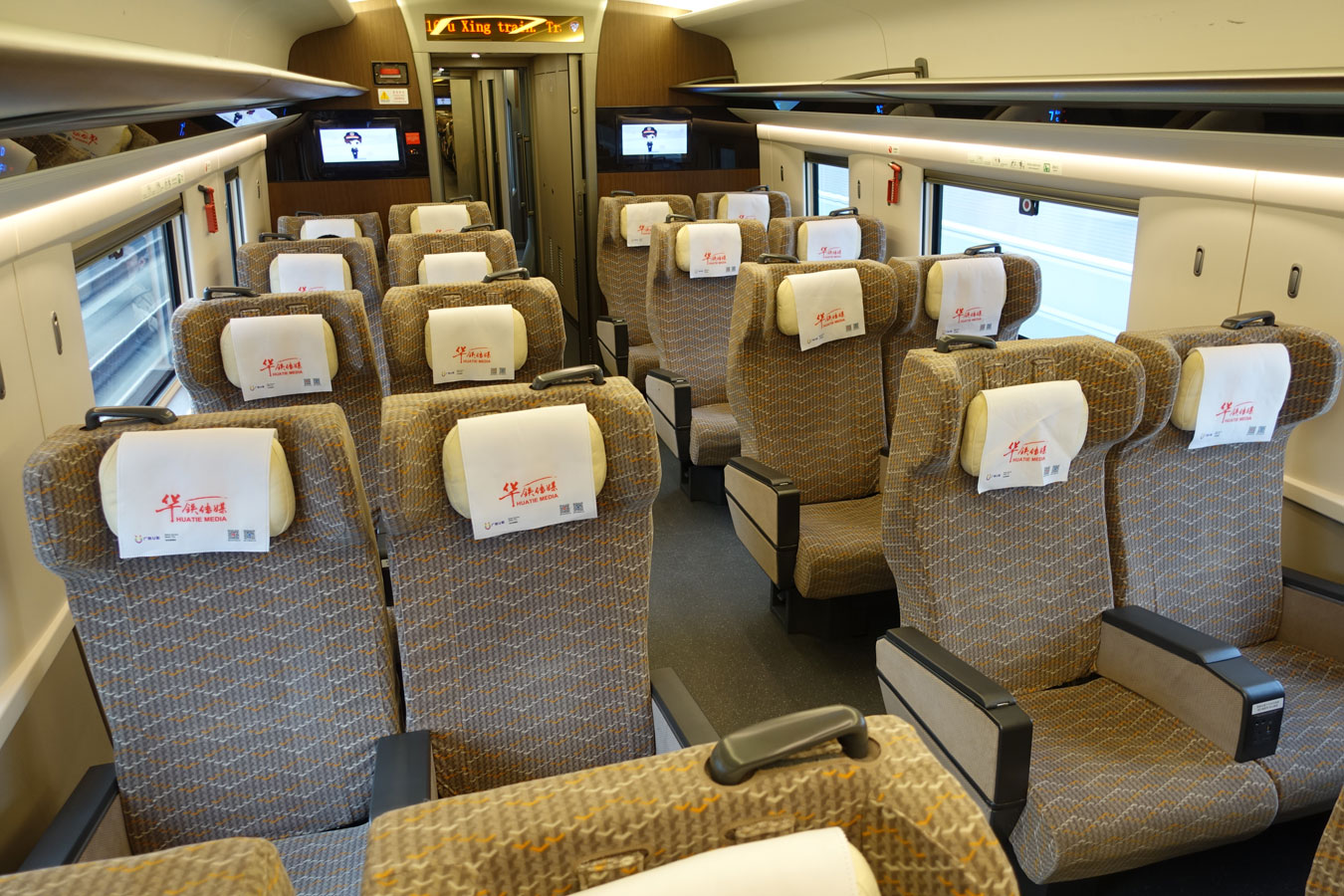
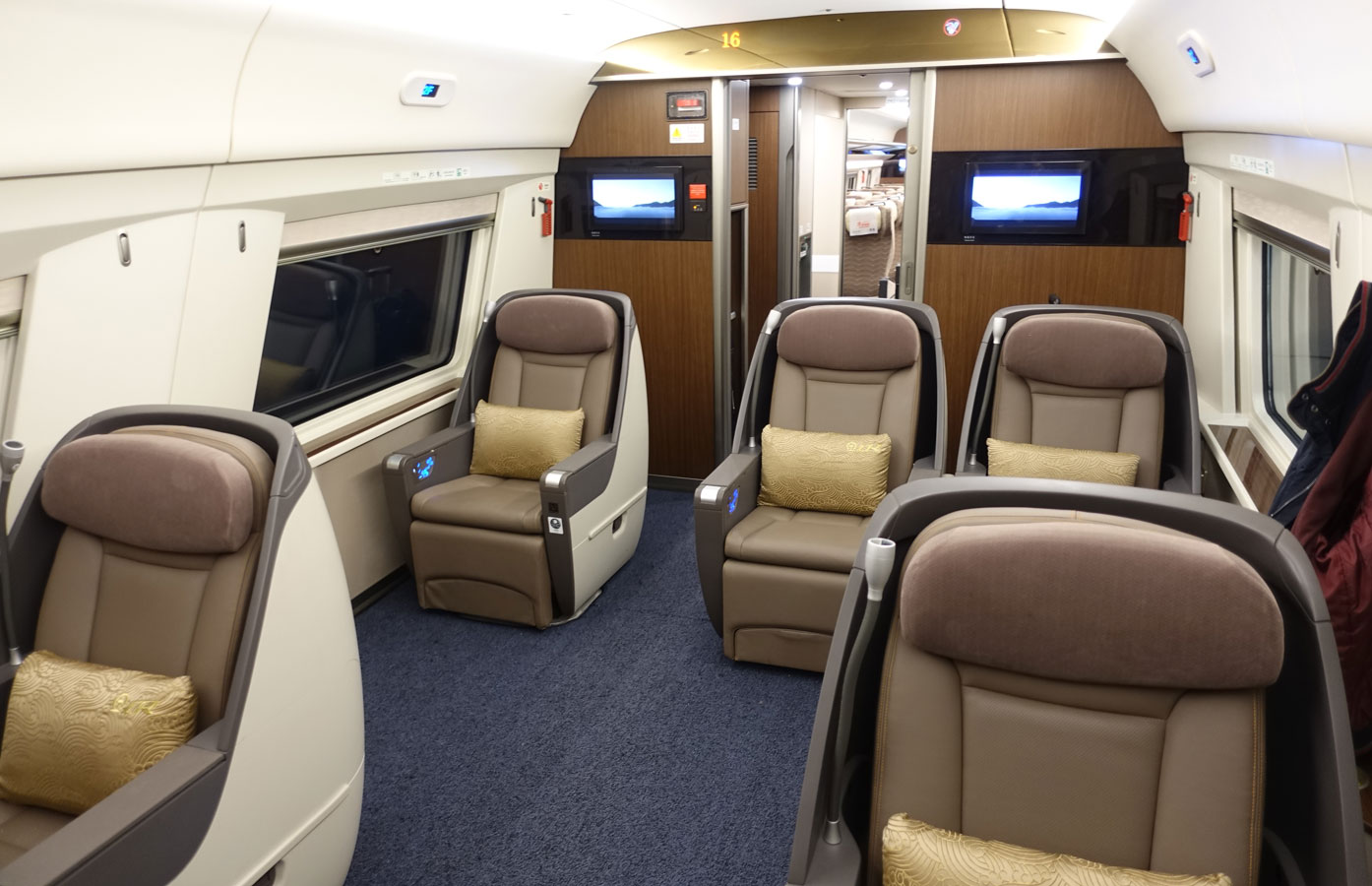
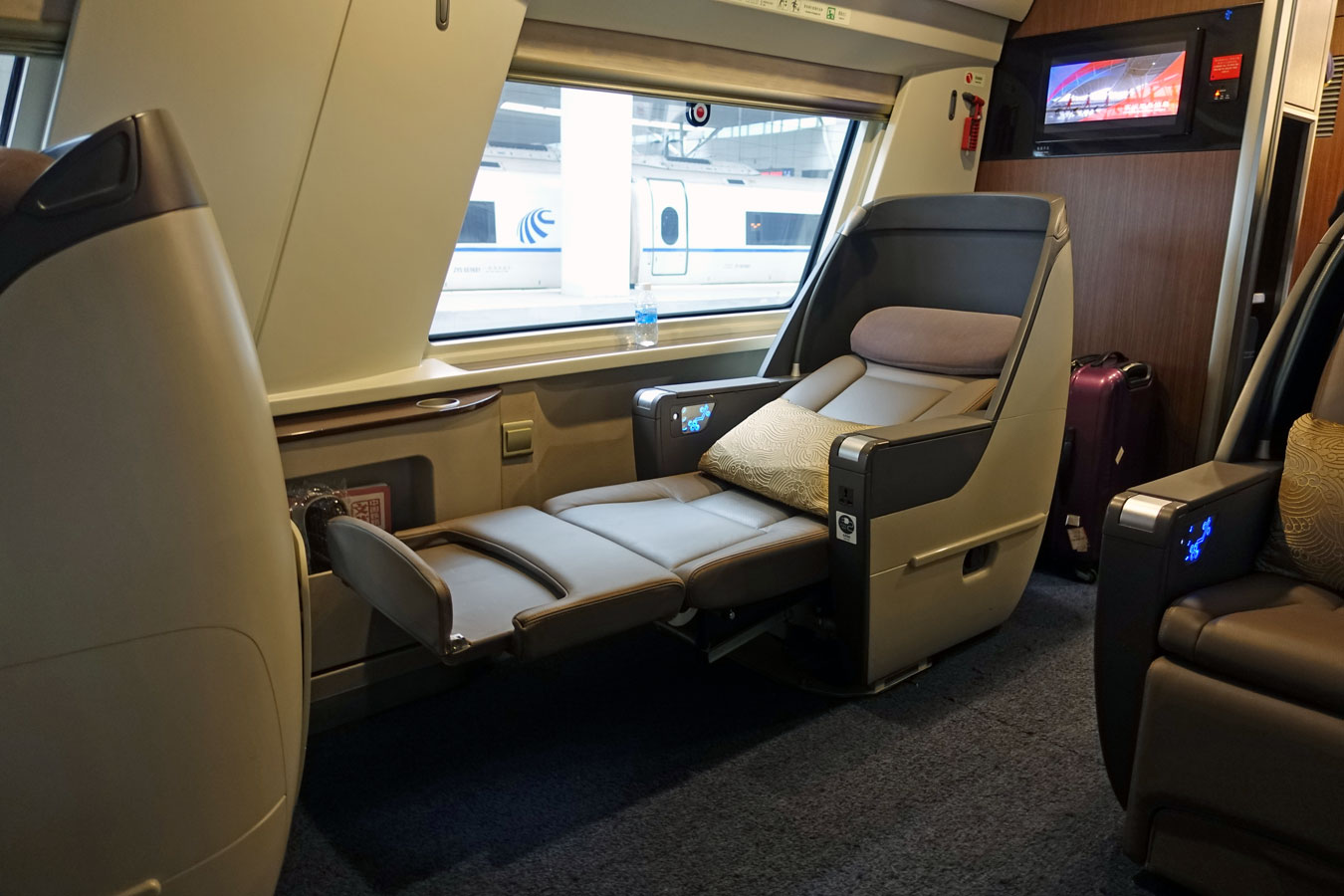
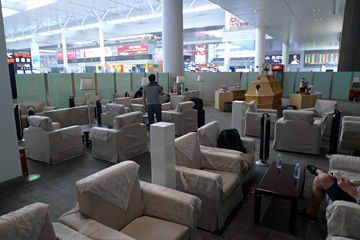
Business class seats are arranged 1+2 across the car width, in a spacious carpeted car and on a Fuxing there is also a small business class area with 5 seats at the end of the train, seen here. The seats recline electrically and become a flat bed at the touch of a button. Each seat has a power socket. Business class is expensive even by western standards, but if you can stretch that far it's well worth it. The fare includes one hot tray meal and a constant stream of tea, coffee, apple juice, orange juice or soft drinks. There's a VIP lounge for business class passengers at Beijing South & Shanghai Hongqiao. Business class is expensive even by western standards, but if you can stretch that far it's well worth it. Click the images for larger photos.
Tips for travel by high-speed train
-
Seat numbering
Seats are numbered with a row number then a seat letter, as on a plane. In 2nd class where seats are 3+2 across the car width the seat letters are ABC-aisle-DF. In 1st class with 2+2 seating the seat letters are AC-aisle-DF. In business class the seat letters are AC-aisle-F except for the pair of seats behind the driver's cab at each end of the train which are lettered A-aisle-F. So in all classes, A & F are always window seats. C & D are always aisle seats. B is the undesirable middle seat of three in 2nd class.
Car 1 is normally at the front from Beijing to Shanghai, and at the back from Shanghai to Beijing. Car 8 or 16 is at the other end.
-
Luggage
You take your bags onto the train with you, max 20 Kg per adult, 10Kg per child, maximum length in any one dimension 130cm, although in practice no-one weighs or measures anything. It goes on the racks above your seat or (larger items) the luggage stacks at the end of each car near the entrance doors.
-
Food & drink
You can take food & drink with you, or buy simple microwaved tray meals, snacks & drinks (including beer) from the buffet counter. Have some cash with you, don't reckon on it accepting cards. Heixe trains have a buffet counter and seats around tables which you can use freely, a nice place to socialise away from your seat. Fuxing trains just have the counter, no tables.
On a Fuxing you'll find the buffet counter in car 5 on 8-car trains, car 9 on 16-car trains.
Business class tickets include a hot tray meal and a steady flow of complimentary tea, coffee & soft drinks plus a 'welcome box' of various Chinese sweets.
There's a boiling water dispenser in each car - ideal for making noodles, tea or coffee if you bring the necessary supplies along!
-
Power sockets and WiFi
On Fuxing trains, all seats have power sockets & USB ports. On Heixe trains, all first & business class seats have power sockets, but not all 2nd class seats do. In theory all these trains have free WiFi, but this requires a code to be sent to a Chinese mobile phone so foreign visitors cannot use it. Just sign up for a mobile data package from your phone provider, there is good 3G/4G reception along most of this route. Using mobile data on a foreign SIM card also gets around China blocking access to Google, Facebook, Twitter and so on, but you might want to pay for a VPN to get around these restrictions when on WiFi, see more information here.
Watch the video: Shanghai to Beijing by high-speed train
The video shows a journey by CRH380B previously used on the Beijing-Shanghai route.